

When it comes to packaging solutions, POF shrink film has emerged as a popular choice due to its versatility, clarity, and strength. As a POF shrink film supplier, I've witnessed firsthand the diverse environments in which our product is used. Each environment presents unique challenges and requires specific precautions to ensure optimal performance. In this blog post, I'll delve into the special precautions that should be taken when using POF shrink film in different settings.
Industrial Environments
Industrial settings often involve high - volume packaging operations, where speed and efficiency are crucial. However, these environments also come with their own set of challenges.
Temperature and Humidity
Industrial facilities can have varying temperature and humidity levels. Extreme heat can cause the POF shrink film to become too soft, leading to tearing or uneven shrinkage. On the other hand, cold temperatures can make the film brittle, increasing the risk of breakage. It's essential to store the POF Shrink Roll in a climate - controlled area. If the environment is hot, ensure that the packaging machinery is properly cooled to prevent overheating of the film during the shrinking process. In cold environments, pre - warming the film slightly can improve its flexibility.
Dust and Debris
Industrial areas are often filled with dust and debris. These particles can get trapped between the film and the product, affecting the appearance of the packaging. To prevent this, the products should be thoroughly cleaned before packaging. Additionally, the packaging area should be regularly cleaned, and air filters on the packaging machinery should be checked and replaced frequently.
Chemical Exposure
Some industrial processes involve the use of chemicals. POF shrink film is generally resistant to many common chemicals, but prolonged exposure to strong solvents or corrosive substances can damage the film. If there is a risk of chemical exposure, it's advisable to use a Cross - Linked Shrink Film, which offers enhanced chemical resistance.
Retail Environments
Retail settings focus on presenting products attractively to consumers. The appearance of the packaging plays a significant role in influencing purchasing decisions.
Aesthetics
In retail, the clarity and smoothness of the POF shrink film are of utmost importance. To maintain these qualities, avoid using the film if it has scratches or blemishes. During the packaging process, ensure that the film is applied evenly to the product. Any wrinkles or air bubbles can detract from the overall appearance. If the product has sharp edges, use a film with good puncture resistance to prevent tearing.
Shelf Life
Retail products often have a specific shelf life. POF shrink film can help extend the shelf life of products by providing a barrier against moisture, oxygen, and light. However, it's important to ensure that the film is properly sealed. A loose seal can allow air and moisture to enter, reducing the product's freshness. Regularly check the seals of packaged products to ensure their integrity.
Display Conditions
Retail displays are often exposed to different lighting conditions. Some types of lighting, especially ultraviolet (UV) light, can cause the POF shrink film to yellow over time. To prevent this, consider using a UV - resistant film. Additionally, ensure that the products are not placed in direct sunlight for extended periods.
Food Packaging Environments
Food packaging requires the highest level of safety and hygiene. POF shrink film is commonly used in this industry due to its food - grade properties.
Hygiene
Before using the POF shrink film for food packaging, it's essential to ensure that the film is clean. The packaging area should be kept clean and sanitized. Workers should wear gloves and hairnets to prevent contamination. If the film comes into contact with any non - food - grade substances, it should not be used for food packaging.
Temperature Control
Food products often need to be stored and transported at specific temperatures. POF shrink film should be able to withstand these temperature variations without losing its integrity. For example, frozen food requires a film that can remain flexible at low temperatures. Ensure that the film is suitable for the specific temperature requirements of the food product.
Regulatory Compliance
Food packaging is subject to strict regulations. The POF shrink film used for food packaging must comply with all relevant food safety standards. As a supplier, we ensure that our Polyolefin POF Shrink Film meets these standards. However, it's the responsibility of the end - user to ensure that the packaging process also complies with regulations.
Outdoor Environments
When using POF shrink film outdoors, it faces a different set of challenges compared to indoor use.
Weather Conditions
Outdoor weather can be unpredictable. Rain, snow, wind, and sunlight can all affect the performance of the POF shrink film. To protect against moisture, ensure that the film is properly sealed. If the product is likely to be exposed to heavy rain or snow, consider using a film with additional waterproofing properties. UV - resistant film is also essential to prevent the film from deteriorating due to sunlight exposure.
Wind and Physical Impact
Strong winds can cause the film to tear or become loose. When packaging products for outdoor use, ensure that the film is tightly wrapped around the product. Additionally, if the product is likely to be subject to physical impact during transportation or storage, use a film with high puncture and tear resistance.
E - commerce Environments
With the growth of e - commerce, the use of POF shrink film for shipping products has increased.
Shipping Conditions
During shipping, products are often subjected to rough handling. The POF shrink film should be able to protect the product from damage. Use a film with good strength and puncture resistance. Additionally, ensure that the film is properly sealed to prevent the product from shifting inside the package.
Labeling and Tracking
In e - commerce, proper labeling and tracking are essential. The POF shrink film should allow for easy application of labels. Ensure that the labels adhere well to the film and are not affected by the shrinking process.
Conclusion
Using POF shrink film in different environments requires careful consideration of the specific challenges each setting presents. By taking the appropriate precautions, you can ensure that the film performs optimally and provides the best protection for your products.
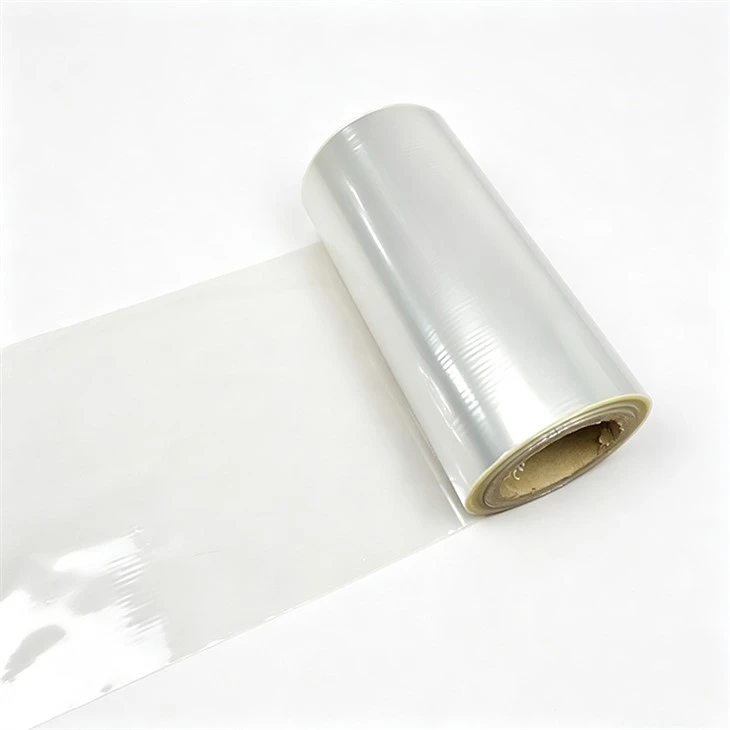
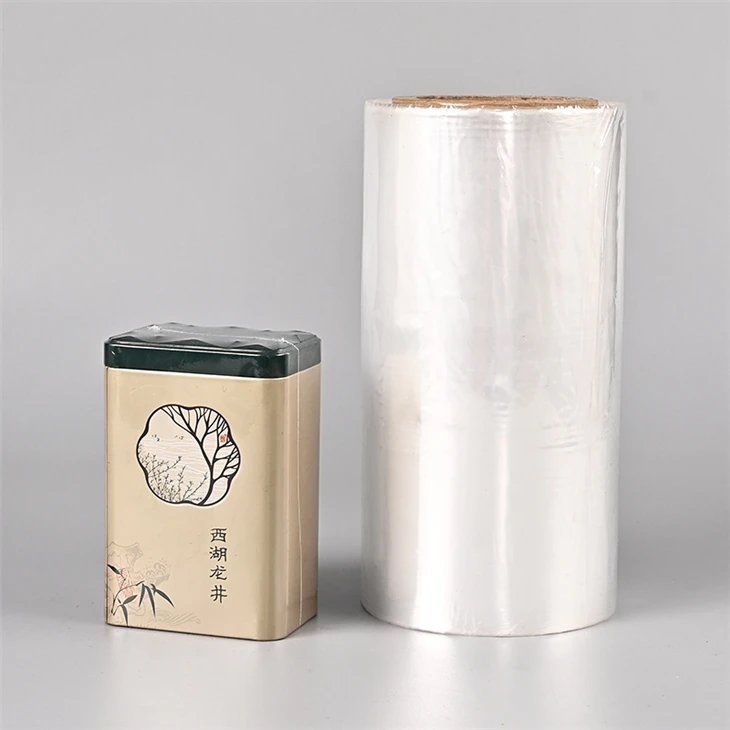
As a POF shrink film supplier, we are committed to providing high - quality products that meet the diverse needs of our customers. If you have any questions about using our POF Heat Shrink Film in your specific environment or are interested in purchasing our products, please feel free to contact us. We look forward to discussing your packaging requirements and finding the best solution for you.
References
- Packaging Machinery Manufacturers Institute (PMMI). "Best Practices for Shrink Film Packaging."
- Food and Drug Administration (FDA). "Regulations for Food Packaging Materials."
- International Organization for Standardization (ISO). "Standards for Packaging Films."