
What is the UV Resistance of PE Shrink Film?
As a supplier of PE shrink film, I've received numerous inquiries about the UV resistance of our products. In this blog post, I'll delve into the topic, exploring what UV resistance means for PE shrink film, how it's measured, and why it's crucial for various applications.
Understanding UV Resistance
UV resistance refers to a material's ability to withstand the damaging effects of ultraviolet (UV) radiation from the sun. UV rays can cause a range of problems for plastics, including discoloration, embrittlement, and reduced mechanical strength. For PE shrink film, these issues can lead to a shorter lifespan, reduced clarity, and a loss of shrink properties.
PE, or polyethylene, is a widely used polymer in the packaging industry due to its versatility, low cost, and excellent physical properties. However, like many plastics, it is susceptible to UV degradation. When exposed to UV radiation, the polymer chains in PE can break down, leading to a loss of molecular weight and a change in the film's physical and chemical properties.
Measuring UV Resistance
There are several ways to measure the UV resistance of PE shrink film. One common method is to expose the film to a simulated UV environment using a weathering chamber. This chamber uses a combination of UV lamps and heat to mimic the conditions of outdoor exposure. The film is then evaluated for changes in color, gloss, and mechanical properties over a specified period.
Another method is to conduct outdoor exposure tests. In this approach, the film is placed in an outdoor environment and monitored over time. This method provides a more realistic assessment of the film's performance in real-world conditions but can be time-consuming and subject to variations in weather conditions.
The results of these tests are typically reported as a UV resistance rating, which indicates the film's ability to withstand UV radiation. A higher rating means the film has better UV resistance and is less likely to degrade over time.
Factors Affecting UV Resistance
Several factors can affect the UV resistance of PE shrink film. One of the most important is the type of PE used. There are two main types of PE: low-density polyethylene (LDPE) and high-density polyethylene (HDPE). LDPE is more flexible and has better clarity than HDPE but is generally less resistant to UV radiation.
The thickness of the film also plays a role in its UV resistance. Thicker films tend to have better UV resistance because they provide more protection against the penetration of UV rays. Additionally, the addition of UV stabilizers can significantly improve the film's UV resistance. These stabilizers work by absorbing or reflecting UV radiation, preventing it from reaching the polymer chains in the film.
The manufacturing process can also affect the UV resistance of PE shrink film. Films that are produced using a blown film extrusion process tend to have better UV resistance than those produced using a cast film extrusion process. This is because the blown film process creates a more uniform film structure, which provides better protection against UV radiation.
Importance of UV Resistance in PE Shrink Film
UV resistance is crucial for many applications of PE shrink film. In the food packaging industry, for example, UV-resistant film can help to protect food products from the damaging effects of UV radiation. This can extend the shelf life of the products and maintain their quality and freshness.
In the outdoor signage and advertising industry, UV-resistant PE shrink film is essential for ensuring that signs and banners remain vibrant and legible for an extended period. Without proper UV protection, these signs can fade and become difficult to read, reducing their effectiveness.
In the automotive and electronics industries, UV-resistant PE shrink film is used to protect components from the damaging effects of UV radiation. This can help to prevent premature aging and failure of these components, ensuring their reliability and performance.
Our PE Shrink Film Products
As a supplier of PE shrink film, we offer a range of products with varying levels of UV resistance. Our LDPE Shrink Bag is a popular choice for food packaging applications. It is made from high-quality LDPE and is available in a variety of sizes and thicknesses. Our LDPE shrink bags are designed to provide excellent clarity and shrink properties, as well as good UV resistance.
Our LDPE Shrink Wrap is another versatile product that is suitable for a wide range of applications. It is available in both clear and colored options and can be used for packaging products of all shapes and sizes. Our LDPE shrink wrap is formulated with UV stabilizers to provide enhanced UV resistance, making it ideal for outdoor applications.
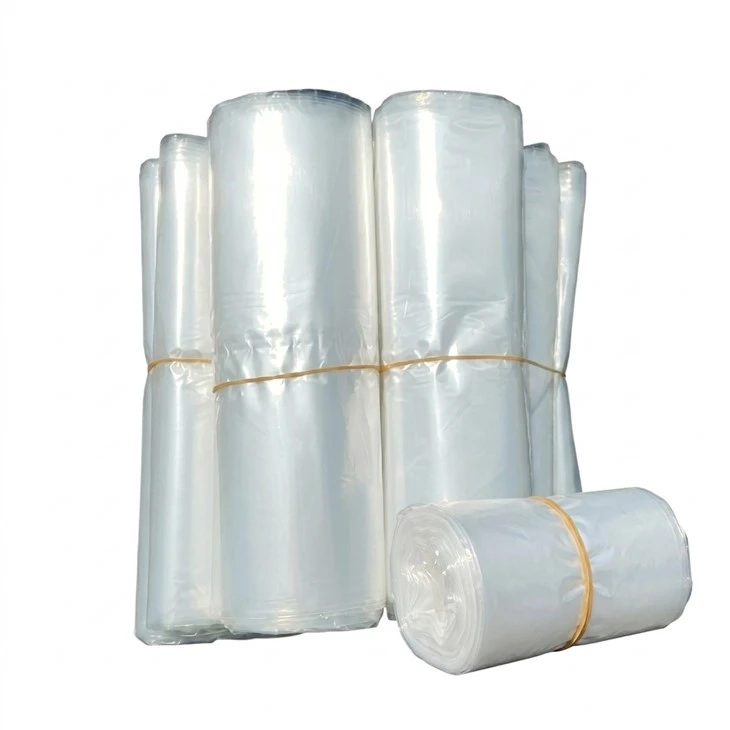
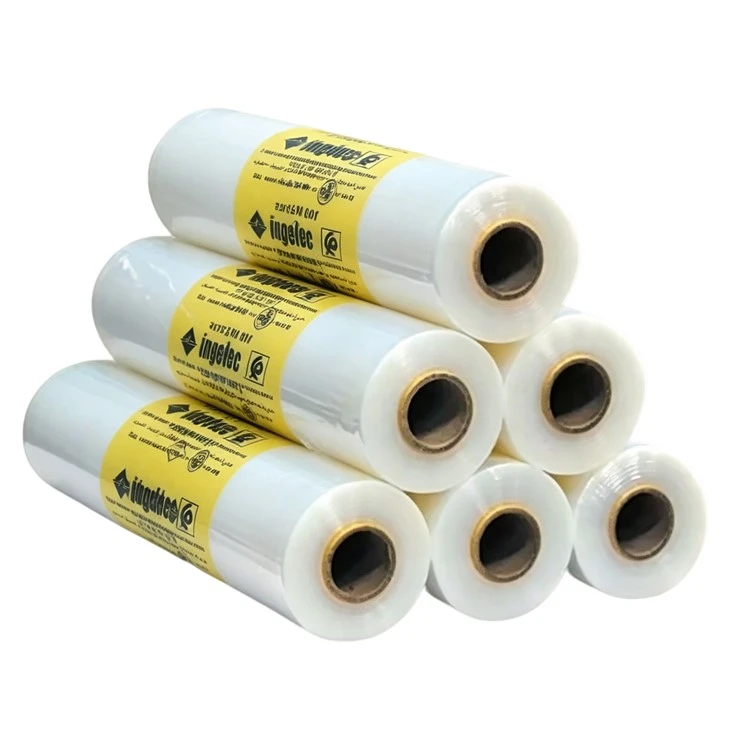
For customers who require larger quantities of PE shrink film, we offer LDPE Shrink Roll. Our LDPE shrink rolls are available in a variety of widths and lengths and can be customized to meet the specific needs of our customers. Our LDPE shrink rolls are manufactured using a blown film extrusion process, which ensures a uniform film structure and excellent UV resistance.
Conclusion
In conclusion, UV resistance is an important consideration when choosing PE shrink film for your packaging needs. By understanding the factors that affect UV resistance and choosing a film with the appropriate level of protection, you can ensure that your products are protected from the damaging effects of UV radiation.
As a supplier of PE shrink film, we are committed to providing our customers with high-quality products that meet their specific needs. If you have any questions about our PE shrink film products or their UV resistance, please don't hesitate to contact us. We would be happy to discuss your requirements and help you choose the right product for your application.
References
- ASTM International. (2019). Standard Practice for Exposing Plastics to Natural Weathering. ASTM D1435-19.
- PlasticsEurope. (2018). Polyethylene (PE). Retrieved from https://www.plasticseurope.org/en/about-plastics/plastic-types/polyethylene-pe
- Smith, J. (2017). UV Resistance of Plastics. Plastics Technology.