
Shrink wrap is a versatile packaging material widely used across various industries to protect products, enhance their appearance, and provide tamper - evident seals. As a printed shrink wrap supplier, I've witnessed firsthand the diverse applications and unique features of both printed and non - printed shrink wrap. In this blog, I'll delve into the differences between these two types of shrink wrap, exploring their characteristics, advantages, and suitable use cases.
Physical Appearance and Design
The most obvious difference between printed and non - printed shrink wrap lies in their physical appearance. Non - printed shrink wrap is a clear or opaque plastic film that provides a simple and straightforward way to package products. It allows the product inside to be visible, which can be beneficial for items where the visual appeal of the product itself is a selling point. For example, when packaging fresh fruits or vegetables, non - printed shrink wrap lets customers see the quality and condition of the produce.
On the other hand, printed shrink wrap offers a customizable and eye - catching packaging solution. It can be printed with logos, product information, barcodes, and marketing messages. This not only serves as a branding tool but also provides essential details about the product. For instance, a beverage company might use printed shrink wrap to display its logo, product name, ingredients, and nutritional information on the bottles. The ability to print on shrink wrap makes it an effective marketing medium, helping products stand out on the shelves.
Functionality and Purpose
Non - printed shrink wrap is primarily used for basic packaging needs. Its main function is to protect the product from dust, moisture, and damage during storage and transportation. It can also be used for bundling multiple items together, such as grouping a set of CDs or DVDs. Non - printed shrink wrap is often chosen for its simplicity and cost - effectiveness, especially when the product's brand identity is not the main focus.
Printed shrink wrap, in addition to providing protection, serves as a marketing and informational tool. It helps build brand recognition and communicate important details about the product to the consumers. For example, a pharmaceutical company may use printed shrink wrap to print dosage instructions, warnings, and expiration dates on its medicine bottles. This ensures that consumers have all the necessary information at their fingertips.
Manufacturing Process
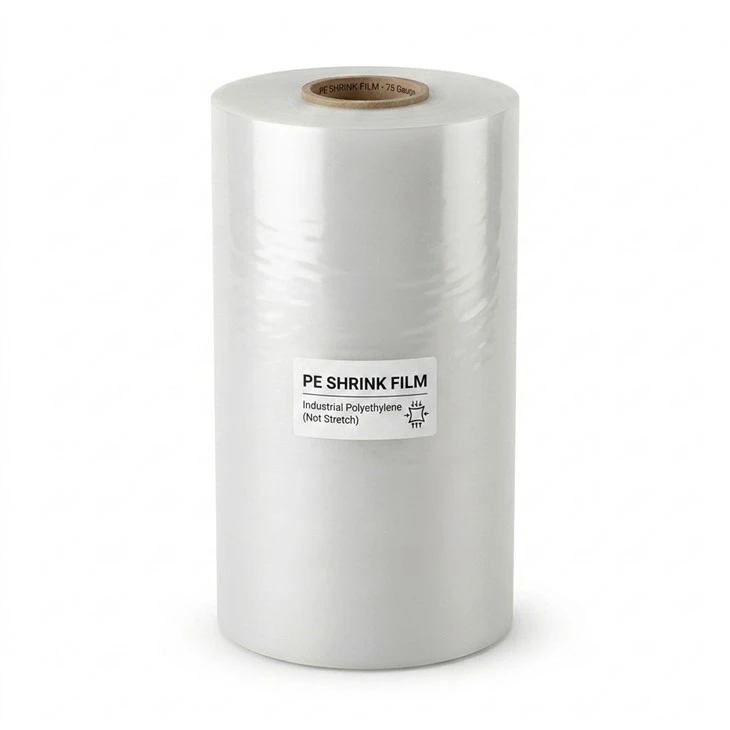
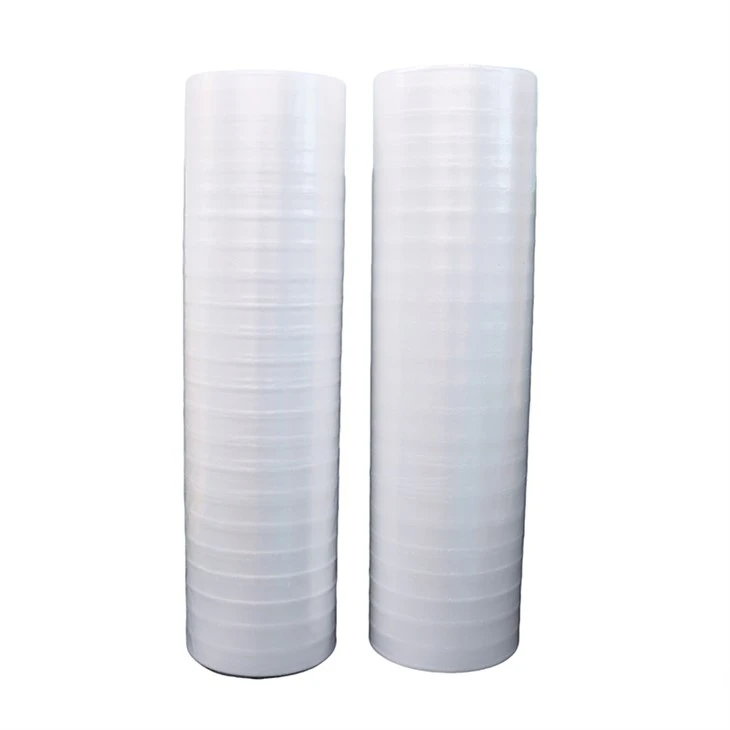
The manufacturing process of non - printed shrink wrap is relatively straightforward. It involves extruding plastic resin into a film, which is then cooled and wound onto rolls. The film can be made from various materials, such as polyethylene (PE), polyvinyl chloride (PVC), or polyolefin (POF).
Printed shrink wrap, however, requires an additional step in the manufacturing process. After the film is produced, it goes through a printing process. This can be done using various printing techniques, such as flexography, gravure printing, or digital printing. Flexography is a common method for printing on shrink wrap as it is cost - effective and can produce high - quality prints on a large scale. The printing process adds to the overall cost of the printed shrink wrap but also provides the added value of customization.
Cost Considerations
Non - printed shrink wrap is generally more cost - effective than printed shrink wrap. The absence of the printing process reduces the production cost, making it a popular choice for businesses on a tight budget. Additionally, non - printed shrink wrap can be purchased in larger quantities at a lower price per unit.
Printed shrink wrap, due to the additional printing step, is more expensive. The cost of printing depends on factors such as the complexity of the design, the number of colors used, and the quantity of the order. However, the investment in printed shrink wrap can pay off in terms of increased brand visibility and sales.
Applications
Non - printed shrink wrap has a wide range of applications. It is commonly used in the food industry for packaging items like bread, cheese, and meat. It is also used in the electronics industry to protect products such as smartphones, tablets, and computer components. In the retail sector, non - printed shrink wrap is used to bundle products together, such as a pack of batteries or a set of light bulbs.
Printed shrink wrap is often used in industries where branding and product information are crucial. In the beverage industry, it is used to package bottled water, soft drinks, and alcoholic beverages. You can find more information about Shrink Film for Bottled Water. In the cosmetics industry, printed shrink wrap is used to package products like perfumes, lotions, and makeup. It is also used in the pharmaceutical industry to package medicines and medical devices.
Environmental Impact
Both printed and non - printed shrink wrap can have an environmental impact. Non - printed shrink wrap, especially if made from non - biodegradable materials like PVC, can contribute to plastic waste. However, there are now more environmentally friendly options available, such as biodegradable and compostable shrink wrap made from materials like PLA (polylactic acid).
Printed shrink wrap can also have an environmental impact, especially if the inks used in the printing process are not eco - friendly. However, many suppliers are now using water - based and soy - based inks, which are more environmentally friendly. Additionally, some printed shrink wrap can be recycled, reducing its overall environmental footprint.
Quality and Durability
The quality and durability of both printed and non - printed shrink wrap depend on the materials used and the manufacturing process. Non - printed shrink wrap is typically made to be strong and resistant to tearing and puncturing. It can withstand the rigors of transportation and storage.
Printed shrink wrap also needs to be of high quality to ensure that the print does not fade or peel off during use. The printing process should be done in a way that the ink adheres well to the film. High - quality printed shrink wrap can maintain its appearance and functionality even after being exposed to various environmental conditions.
Customization
One of the key advantages of printed shrink wrap is its high level of customization. As a supplier, I can work with customers to create unique designs that meet their specific needs. Whether it's a simple logo or a complex marketing message, printed shrink wrap can be tailored to the brand's identity.
Non - printed shrink wrap, on the other hand, offers limited customization. It is mainly available in different thicknesses, widths, and lengths, but there is no option for adding printed elements.
Conclusion
In conclusion, printed and non - printed shrink wrap each have their own unique characteristics, advantages, and suitable use cases. Non - printed shrink wrap is a simple and cost - effective solution for basic packaging needs, while printed shrink wrap offers a customizable and marketing - friendly option. As a printed shrink wrap supplier, I can provide high - quality printed shrink wrap that meets the diverse needs of my customers.
If you're interested in exploring the possibilities of printed shrink wrap for your products, I encourage you to contact me for a detailed discussion. We can work together to create a packaging solution that not only protects your products but also enhances your brand image. Whether you need LDPE Shrink Roll or Perforated Shrink Film, I'm here to assist you.
References
- Packaging Machinery Manufacturers Institute (PMMI). (2023). Shrink Wrap Packaging Guide.
- Smith, J. (2022). The Impact of Printed Packaging on Consumer Buying Decisions. Journal of Marketing Research.
- International Plastics Packaging Association. (2023). Environmental Considerations in Shrink Wrap Manufacturing.