

As a supplier of LDPE Heat Shrink Film, I understand the importance of heat resistance in this product. LDPE heat shrink film is widely used in various industries for packaging purposes, and its heat resistance directly affects the quality and performance of the packaging. In this blog, I will share some effective ways to increase the heat resistance of LDPE heat shrink film.
Understanding LDPE Heat Shrink Film
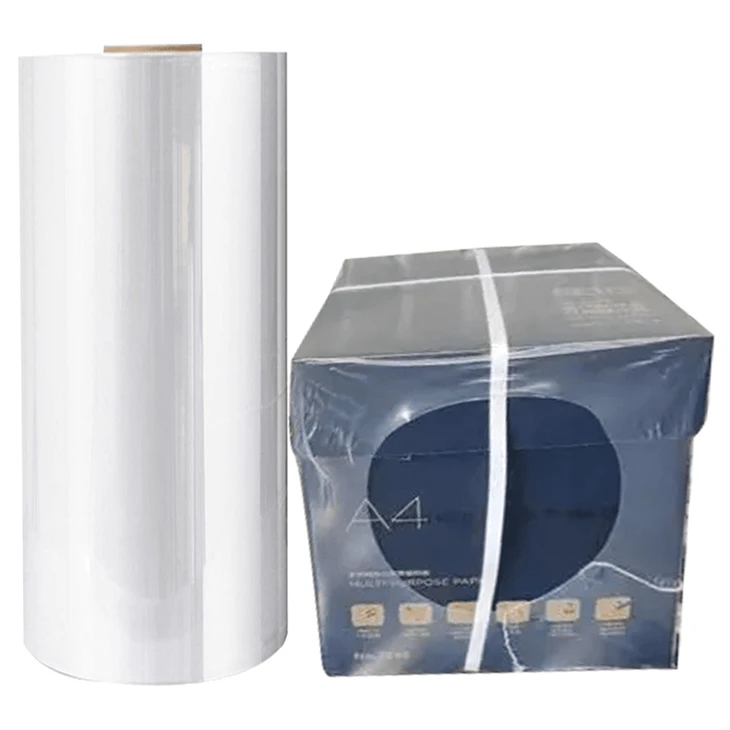
Before we delve into the methods of improving heat resistance, let's first understand what LDPE heat shrink film is. LDPE, or Low-Density Polyethylene, is a thermoplastic polymer known for its flexibility, transparency, and ease of processing. Heat shrink film made from LDPE has the property of shrinking when exposed to heat, which allows it to tightly wrap around products, providing protection and a professional appearance.
However, the heat resistance of standard LDPE heat shrink film may not be sufficient for some applications that require exposure to higher temperatures. For example, in industries where products are stored or transported in hot environments, or where the packaging needs to withstand the heat during the sterilization process, a higher heat-resistant film is necessary.
1. Selecting High-Quality Raw Materials
The quality of the raw materials used in the production of LDPE heat shrink film plays a crucial role in determining its heat resistance. When sourcing LDPE resin, look for grades that are specifically designed for high-temperature applications. These resins often have a higher melting point and better thermal stability, which can significantly improve the heat resistance of the final film.
Some manufacturers offer modified LDPE resins that contain additives to enhance heat resistance. These additives can include antioxidants, heat stabilizers, and nucleating agents. Antioxidants prevent the oxidation of the polymer chains during heating, which can lead to degradation and a decrease in heat resistance. Heat stabilizers help to maintain the integrity of the polymer structure at high temperatures, while nucleating agents can improve the crystallization behavior of the LDPE, resulting in a more heat-resistant film.
2. Incorporating Additives
In addition to using high-quality raw materials, incorporating additives into the LDPE heat shrink film can further enhance its heat resistance. There are several types of additives that can be used for this purpose:
- Heat Stabilizers: As mentioned earlier, heat stabilizers are essential for maintaining the thermal stability of the LDPE film. They work by preventing the degradation of the polymer chains at high temperatures. Common heat stabilizers include organotin compounds, lead salts, and calcium-zinc stabilizers. These stabilizers can be added during the extrusion process to improve the heat resistance of the film.
- Antioxidants: Antioxidants are used to prevent the oxidation of the LDPE film, which can occur when the film is exposed to heat and oxygen. Oxidation can lead to the formation of free radicals, which can cause the polymer chains to break down and reduce the heat resistance of the film. By adding antioxidants, such as hindered phenols or phosphites, the oxidation process can be slowed down, resulting in a more heat-resistant film.
- Nucleating Agents: Nucleating agents can improve the crystallization behavior of the LDPE film, which can enhance its heat resistance. They work by providing sites for the formation of crystals during the cooling process, resulting in a more uniform and dense crystal structure. This can increase the melting point and stiffness of the film, making it more resistant to heat.
3. Adjusting the Manufacturing Process
The manufacturing process of LDPE heat shrink film can also have a significant impact on its heat resistance. Here are some key factors to consider:
- Extrusion Temperature: The extrusion temperature during the film production process is critical. Higher extrusion temperatures can help to improve the dispersion of additives and the orientation of the polymer chains, which can enhance the heat resistance of the film. However, it is important to find the right balance, as excessive temperatures can also cause degradation of the polymer.
- Cooling Rate: The cooling rate of the film after extrusion can affect its crystallization behavior. A slower cooling rate allows for more complete crystallization, which can result in a more heat-resistant film. However, this may also increase the production time and cost. Therefore, it is necessary to optimize the cooling rate based on the specific requirements of the film.
- Stretching Process: The stretching process is an important step in the production of heat shrink film. By stretching the film in the machine direction (MD) and transverse direction (TD), the polymer chains can be oriented, which can improve the mechanical properties and heat resistance of the film. However, over-stretching can also cause the film to become brittle and reduce its heat resistance. Therefore, it is important to control the stretching ratio and temperature during the stretching process.
4. Coating and Laminating
Another effective way to increase the heat resistance of LDPE heat shrink film is through coating and laminating. Coating the film with a heat-resistant material can provide an additional layer of protection against heat. For example, a silicone coating can be applied to the surface of the film to improve its heat resistance and release properties.
Laminating the LDPE film with a heat-resistant layer, such as a polyester or polyamide film, can also enhance its heat resistance. The heat-resistant layer can act as a barrier to prevent the transfer of heat to the LDPE film, while also providing additional strength and durability.
5. Testing and Quality Control
To ensure that the LDPE heat shrink film meets the required heat resistance standards, it is important to conduct regular testing and quality control. There are several methods for testing the heat resistance of the film, including:
- Heat Shrinkage Test: This test measures the amount of shrinkage that occurs when the film is exposed to a specific temperature for a certain period of time. A higher heat shrinkage rate indicates better heat resistance.
- Melting Point Test: The melting point of the film can be determined using differential scanning calorimetry (DSC). A higher melting point indicates better heat resistance.
- Thermal Stability Test: This test measures the stability of the film at high temperatures over a period of time. A film with good thermal stability will not degrade or lose its properties when exposed to heat.
By conducting these tests and implementing a strict quality control system, you can ensure that the LDPE heat shrink film you produce has the desired heat resistance.
Conclusion
Increasing the heat resistance of LDPE heat shrink film is essential for many applications. By selecting high-quality raw materials, incorporating additives, adjusting the manufacturing process, coating and laminating, and conducting regular testing and quality control, you can improve the heat resistance of your LDPE heat shrink film.

As a supplier of LDPE Heat Shrink Film, we are committed to providing our customers with high-quality products that meet their specific requirements. If you are interested in purchasing LDPE heat shrink film with improved heat resistance, or if you have any questions or concerns, please feel free to contact us for further discussion and negotiation. We look forward to working with you to meet your packaging needs.
References
- "Polymer Science and Technology" by Paul C. Hiemenz and Timothy P. Lodge
- "Plastics Additives Handbook" by Hans Zweifel
- "Extrusion: The Definitive Processing Guide and Handbook" by Christopher Rauwendaal