

Are plastic packaging bags resistant to chemicals?
As a supplier of plastic packaging bags, I often encounter questions from clients regarding the chemical resistance of our products. This is a crucial aspect, especially when considering the diverse range of items that need to be packaged. In this blog, I'll delve into the topic of whether plastic packaging bags are resistant to chemicals, exploring the factors that influence their chemical resistance and the practical applications in different industries.
Understanding Plastic Packaging Materials
Before discussing chemical resistance, it's essential to understand the types of plastics commonly used in packaging bags. The most prevalent materials are polyethylene (PE), polypropylene (PP), and polyvinyl chloride (PVC). Each of these materials has unique properties that affect their chemical resistance.
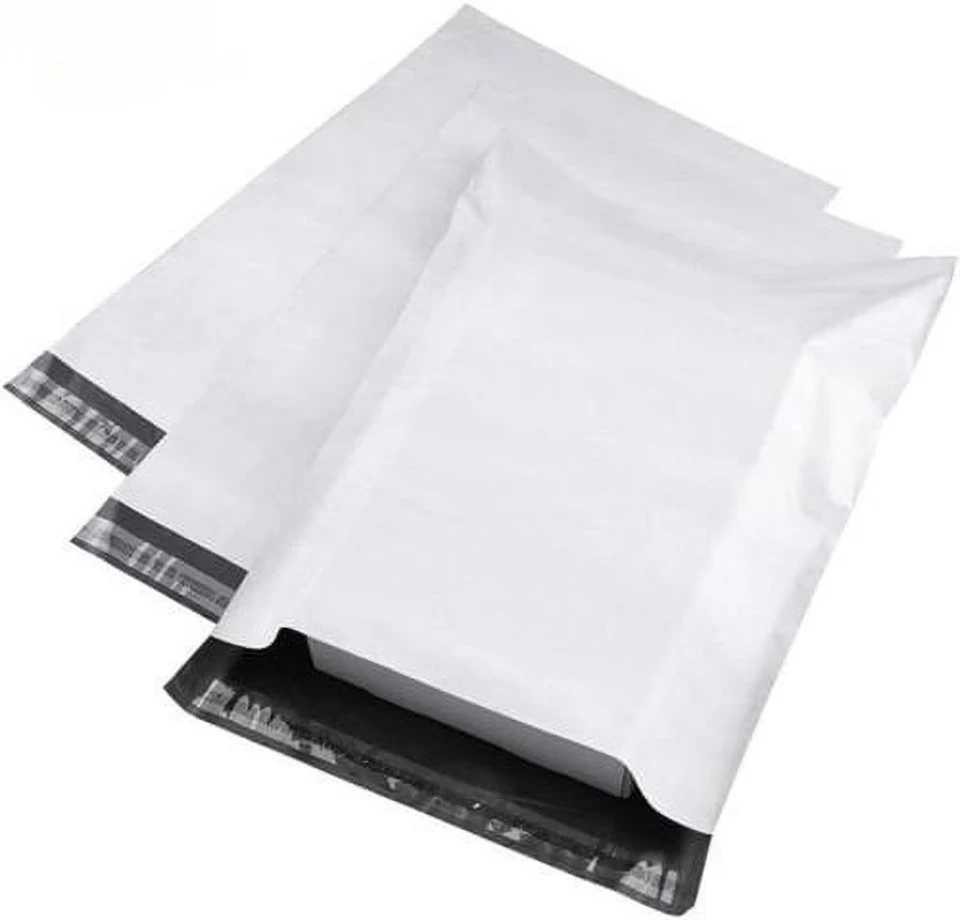
Polyethylene is a widely used plastic in packaging due to its versatility, low cost, and excellent moisture barrier properties. It comes in different forms, such as low - density polyethylene (LDPE) and high - density polyethylene (HDPE). LDPE is more flexible and has better transparency, while HDPE is stronger and more rigid. Polyethylene Shipping Bags are often made from these materials, offering reliable protection for various goods during transit.
Polypropylene is known for its high strength, stiffness, and resistance to heat. It is commonly used in applications where a more rigid packaging is required. Clear polypropylene Clear Packing Bag are popular for displaying products while providing a certain level of protection.
Polyvinyl chloride is a versatile plastic that can be formulated to have different levels of flexibility and hardness. It has good chemical resistance to many substances but may release harmful chemicals under certain conditions, such as high temperatures.
Factors Affecting Chemical Resistance
Several factors influence the chemical resistance of plastic packaging bags:
- Type of Plastic: As mentioned earlier, different plastics have different chemical structures, which determine their ability to withstand chemical exposure. For example, polyethylene has a relatively simple structure and is generally resistant to many non - polar solvents, such as oils and greases. However, it may be attacked by strong oxidizing agents or some solvents like benzene.
- Chemical Concentration: The concentration of the chemical in contact with the plastic bag plays a significant role. Higher concentrations of chemicals are more likely to cause damage to the plastic. For instance, a low - concentration solution of acetic acid may not have a significant effect on a polyethylene bag, but a concentrated solution could cause swelling or degradation.
- Temperature: Elevated temperatures can accelerate chemical reactions and reduce the chemical resistance of plastic bags. At higher temperatures, the plastic molecules become more mobile, making it easier for chemicals to penetrate the plastic and cause damage. For example, a plastic bag that is resistant to a certain chemical at room temperature may lose its resistance when exposed to the same chemical at a higher temperature.
- Exposure Time: The longer the plastic bag is in contact with a chemical, the greater the chance of damage. Prolonged exposure can lead to cumulative effects, such as swelling, cracking, or loss of mechanical properties.
Chemical Resistance in Different Industries
- Food Industry: In the food industry, plastic packaging bags need to be resistant to a variety of food - related chemicals, such as acids, fats, and salts. Polyethylene and polypropylene are commonly used because they are generally safe for food contact and have good resistance to these substances. For example, Clear Packing Bag made from polypropylene can be used to package snacks, while LDPE bags are suitable for packaging fresh produce.
- Pharmaceutical Industry: Pharmaceutical products often contain chemicals that require special packaging. Plastic bags used in this industry need to be resistant to drugs, solvents, and other chemical agents. High - quality plastics with excellent chemical resistance are selected to ensure the integrity and safety of the pharmaceutical products. For example, some plastic bags are designed to be resistant to alcohol - based solutions, which are commonly used in the pharmaceutical industry.
- Industrial and Chemical Packaging: In industrial settings, plastic bags are used to package chemicals, such as detergents, solvents, and fertilizers. These bags need to be highly resistant to the specific chemicals they will come into contact with. HDPE is a popular choice for industrial chemical packaging due to its high strength and good chemical resistance. Polythene Courier Bags can also be used for shipping small quantities of chemicals, provided they are designed to meet the necessary safety standards.
Testing and Certification
To ensure the chemical resistance of our plastic packaging bags, we conduct a series of tests. These tests involve exposing the bags to different chemicals under controlled conditions and evaluating their performance. We also follow industry standards and obtain relevant certifications to guarantee the quality and safety of our products.

For example, we may use the ASTM (American Society for Testing and Materials) standards for chemical resistance testing. These standards provide guidelines on how to test the resistance of plastics to various chemicals and how to evaluate the results. By adhering to these standards, we can provide our customers with accurate information about the chemical resistance of our plastic packaging bags.
Practical Considerations for Customers
When choosing plastic packaging bags for chemical - containing products, customers should consider the following:
- Identify the Chemicals: Determine the specific chemicals that the bag will come into contact with. This will help in selecting the appropriate plastic material with the necessary chemical resistance.
- Consider the Conditions: Take into account the temperature, concentration, and exposure time of the chemical. If the product will be stored or transported under extreme conditions, a more chemically resistant plastic may be required.
- Seek Expert Advice: If you are unsure about the chemical resistance of a particular plastic bag, consult with our technical experts. We can provide you with detailed information and recommendations based on your specific requirements.
Conclusion
In conclusion, plastic packaging bags can have varying degrees of chemical resistance depending on the type of plastic, chemical concentration, temperature, and exposure time. As a supplier of plastic packaging bags, we are committed to providing high - quality products that meet the diverse needs of our customers. Whether you need Polyethylene Shipping Bags for general shipping, Clear Packing Bag for product display, or Polythene Courier Bags for chemical shipping, we have the right solution for you.
If you are interested in our plastic packaging bags and would like to discuss your specific requirements, please feel free to reach out to us. We look forward to the opportunity to work with you and provide you with the best packaging solutions.
References
- ASTM International. (n.d.). Standards for plastic materials and products. Retrieved from the ASTM official website.
- Brady, J. E., & Humiston, G. E. (1982). General chemistry. John Wiley & Sons.
- Billmeyer, F. W. (1984). Textbook of polymer science. Wiley - Interscience.