
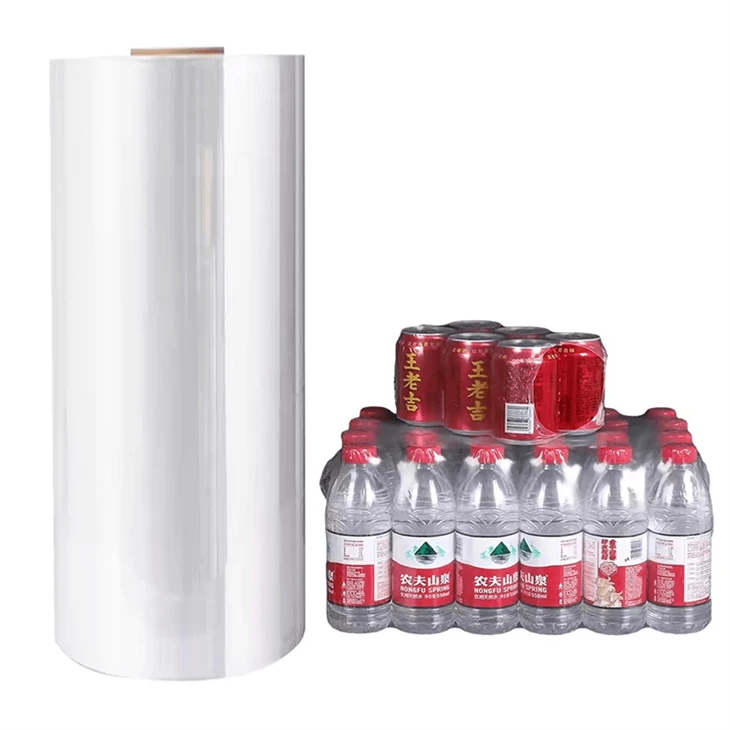
LDPE shrink rolls, made from Low-Density Polyethylene, are a popular choice in various industries for packaging purposes. As a reliable LDPE Shrink Roll supplier, I often receive inquiries about the chemical resistance of these products. In this blog post, I will explore the question: Are LDPE shrink rolls resistant to chemicals?
Understanding LDPE Shrink Rolls
LDPE is a type of thermoplastic polymer known for its flexibility, transparency, and ease of processing. LDPE shrink rolls are created by extruding LDPE resin into a thin film, which can be used to wrap products. When heat is applied, the film shrinks tightly around the item, providing a secure and protective packaging solution. These rolls are commonly used in food packaging, beverage bottling, and consumer goods industries, among others.
Chemical Resistance of LDPE Shrink Rolls
The chemical resistance of LDPE shrink rolls depends on several factors, including the type of chemical, the concentration, the temperature, and the exposure time. In general, LDPE has good resistance to many common chemicals, but it may not be suitable for all chemical environments.
Resistance to Non - Polar Solvents
LDPE is relatively resistant to non - polar solvents such as hydrocarbons (e.g., gasoline, mineral oil). Non - polar solvents have a similar molecular structure to LDPE, but they do not easily dissolve or react with it. This makes LDPE shrink rolls suitable for packaging products that may come into contact with these types of solvents. For example, in the automotive industry, LDPE shrink rolls can be used to package small parts that are stored in an environment where they may be exposed to oil or gasoline vapors.
Resistance to Polar Solvents
Polar solvents, such as water, alcohols, and some acids and bases, have a different effect on LDPE. LDPE has low solubility in water, which makes it a good choice for packaging products that need to be protected from moisture. However, prolonged exposure to high - concentration polar solvents can cause some swelling or degradation of the LDPE film.
For instance, strong acids and bases can react with LDPE over time, especially at elevated temperatures. Concentrated sulfuric acid or sodium hydroxide can cause the LDPE to break down, losing its mechanical properties and integrity. In contrast, mild acids and bases, such as acetic acid (vinegar) or dilute sodium bicarbonate solutions, may have little to no effect on LDPE shrink rolls.
Resistance to Oxidizing Agents
Oxidizing agents can be particularly damaging to LDPE. Substances like hydrogen peroxide, chlorine, and ozone can cause oxidation of the LDPE polymer chains. Oxidation leads to the formation of carbonyl groups within the polymer structure, which can result in embrittlement, cracking, and a decrease in the film's strength. Therefore, LDPE shrink rolls are not recommended for long - term exposure to strong oxidizing agents.
Applications and Chemical Exposure
Let's look at some common applications of LDPE shrink rolls and the types of chemical exposure they may face:
Beverage Packaging
In the beverage industry, LDPE shrink rolls are widely used for packaging bottled water and other drinks. For Shrink Film for Bottled Water, the main chemical exposure is water, to which LDPE has good resistance. However, some flavored beverages may contain acids (such as citric acid) or preservatives. In general, LDPE can withstand the mild chemical environment of most beverages without significant degradation.
Food Packaging
LDPE shrink rolls are also popular in food packaging. They are used to wrap fresh produce, meats, and processed foods. The chemicals in food can include organic acids (e.g., lactic acid in dairy products), salts, and various flavorings. LDPE is generally considered safe for direct contact with food and can resist the chemical components found in most common foods.
Industrial Packaging
In industrial applications, LDPE shrink rolls may be used to package products that are exposed to a wider range of chemicals. For example, Plastic Shrink Wrap for Bottles of industrial chemicals may require a careful assessment of the chemical compatibility. If the chemical is a mild non - polar solvent or a weak acid, LDPE may be a suitable choice. However, for more aggressive chemicals, other types of packaging materials may be necessary.
Factors Affecting Chemical Resistance
- Film Thickness: Thicker LDPE shrink rolls generally offer better chemical resistance than thinner ones. A thicker film provides more material to act as a barrier between the chemical and the packaged product.
- Additives: Some LDPE films may contain additives that can enhance their chemical resistance. For example, antioxidants can be added to prevent oxidation, and UV stabilizers can improve the film's durability when exposed to sunlight and some chemicals.
- Temperature: Higher temperatures can accelerate chemical reactions and increase the rate of degradation of LDPE. It is important to consider the temperature conditions during storage and use when evaluating the chemical resistance of LDPE shrink rolls.
How Our LDPE Shrink Rolls Stand Out
As a supplier of LDPE Shrink Roll, we take pride in offering high - quality products. Our LDPE shrink rolls are manufactured using advanced technology and carefully selected raw materials. We conduct strict quality control tests to ensure that our products meet the required standards of chemical resistance for most common applications.
We also offer Perforated Shrink Film, which can be useful in applications where ventilation is required, such as packaging fresh produce. The perforations do not significantly affect the overall chemical resistance of the film, as long as the chemical exposure is not excessive.
Conclusion
In conclusion, LDPE shrink rolls have a certain degree of chemical resistance, but it is not absolute. They are well - suited for many common packaging applications where the chemical exposure is relatively mild. However, for more severe chemical environments, a thorough evaluation of the chemical compatibility is necessary.

If you are in need of high - quality LDPE shrink rolls or have any questions about their chemical resistance, please feel free to contact us for a detailed discussion. We are committed to providing you with the best packaging solutions tailored to your specific needs.
References
- "Polyethylene Handbook" by Andrew Peacock. This comprehensive handbook provides in - depth information on the properties and applications of polyethylene, including LDPE.
- "Plastic Packaging Technology" by Rosato, Rosato, and Schrenk. It offers valuable insights into the use of plastics in packaging and their chemical resistance.