
Hey there! As a supplier of clear packing bags, I often get asked about the safety of these bags, especially when it comes to children. So, let's dive right in and explore whether clear packing bags are safe for our little ones.
First off, let's talk about what clear packing bags are usually made of. Most of the time, they're made from polyethylene, which is a type of plastic. Polyethylene is widely used in the packaging industry because it's durable, flexible, and relatively inexpensive. You can check out Polyethylene Shipping Bags for more info on this type of bag.
Now, the safety of clear packing bags for children depends on a few factors. One of the main concerns is the risk of suffocation. Plastic bags, including clear packing bags, can pose a suffocation hazard if a child's head gets trapped inside. This is why many plastic bags come with warnings about keeping them away from children.
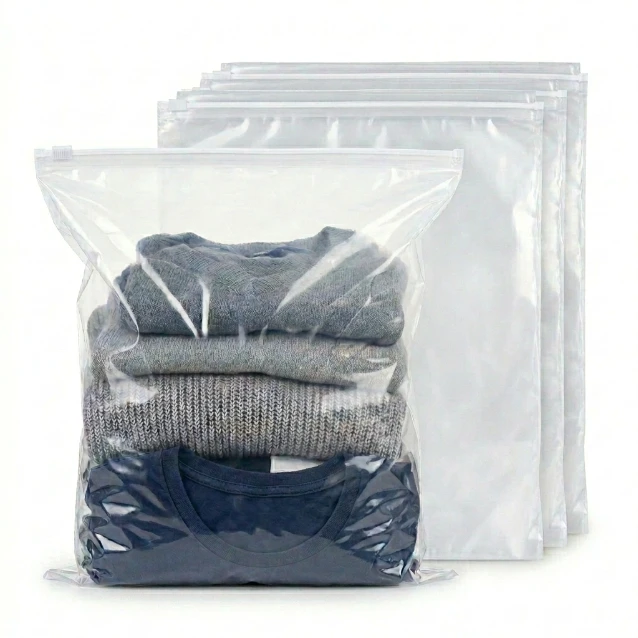
However, if used properly and stored safely, clear packing bags can be used around children without a major risk. For example, if you're using Large Resealable Plastic Bags for Clothes to store your child's clothes, make sure to keep the bags out of their reach when they're not in use. And when you are using them, always supervise your child to ensure they don't put the bag over their head.
Another aspect to consider is the quality of the clear packing bags. High - quality bags are less likely to tear or break, which reduces the risk of small pieces being swallowed by children. At our company, we take great care in manufacturing our bags to meet high - quality standards. We use thick and durable polyethylene to make sure our bags can withstand normal wear and tear.
Some clear packing bags are also treated with additives to make them more resistant to UV rays, heat, and other environmental factors. These additives are generally considered safe, but it's always a good idea to check the product specifications to be sure. If you're interested in a clear packing option that might have these features, take a look at Clear Packing Wrap.
When it comes to the actual use of clear packing bags around children, there are some common - sense precautions you can take. For instance, if you're using the bags to store toys or other items, make sure the bags are sealed properly. This not only keeps the contents organized but also reduces the risk of a child getting into the bag unexpectedly.
If you're using clear packing bags for arts and crafts projects with your kids, make sure to cut the bags into small, manageable pieces. This way, there's less of a risk of the bag covering a child's face. And always keep an eye on your child during the activity.
It's also important to note that clear packing bags can be a great tool for teaching children about organization and responsibility. You can involve them in the process of packing and storing their things in the bags. This can help them develop good habits and also give them a sense of ownership over their belongings.
Now, let's talk about the environmental impact of clear packing bags. While polyethylene is a type of plastic, there are ways to make the use of these bags more sustainable. For example, you can encourage your children to reuse the bags for different purposes. This not only reduces waste but also teaches them about the importance of environmental conservation.
In conclusion, clear packing bags can be safe for children as long as they are used and stored properly. By following some simple safety guidelines, you can enjoy the benefits of using these bags without putting your child at risk.
If you're interested in our clear packing bags or have any questions about their safety and usage, feel free to reach out. We're always happy to help you find the right packing solutions for your needs. Whether you're looking for bags to store clothes, toys, or other items, we've got you covered. Let's start a conversation and see how we can work together to meet your packing requirements.

References
- General knowledge about plastic bag safety and polyethylene properties.
- Product specifications and safety guidelines from the plastic packaging industry.